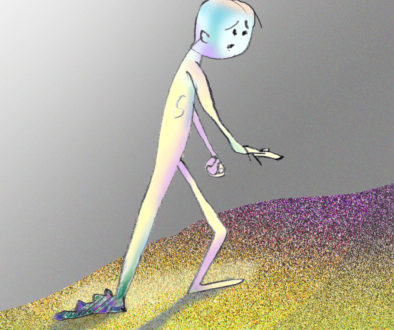
Studies consistently show that the most effective way to help prevent a child from becoming aggressive and sociopathic is by teaching them to talk about their feelings.
Emotional maturity is the ability to Identify, Name, and Manage Emotions
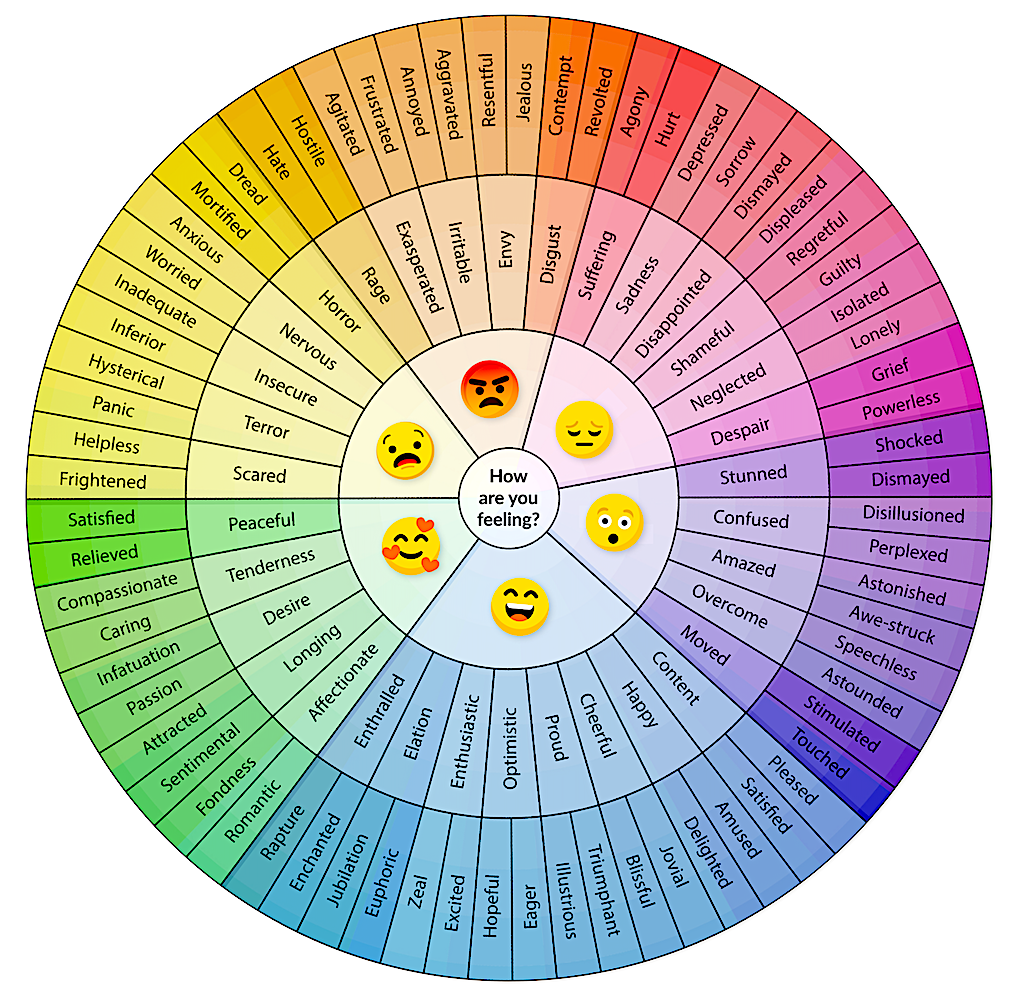
WHAT IS EMOTIONAL IMMATURITY?
Emotional immaturity is: a limited self-awareness of feelings, understanding of emotions of self and others, that leads to poor self management and impulsive childish behaviors.
Narcissism and emotional abuse is a “responsibility deficit disorder”:
When they’re hurt or wounded, the emotionally immature person will act out (or act in by withdrawing), getting angry, going to alcohol, drugs or any number of damaging things. Their reaction to their lack of emotional self-awareness causes more problems in their relationships and comes out in destructive behaviors and causes harm to others. And when done cumulatively, without taking responsibility for the harm, they blame shift to others again and again without repairing the wounds they inflict. And when other people take responsibility for the narcissist’s feelings, by walking on eggshells to please them out of fear of retribution, etc., it creates codependence, and the cycle continues.
Ask yourself:
Do we stuff our feelings and blame others? Or do we become codependent, enabling the narcissist to blame us?
How to overcome emotional immaturity?
Growing up and maturing emotionally is a long process of facing our true feelings and taking responsibility for how we react to them. It’s not “One and Done”, but a process of understanding old patterns from childhood and learning new patterns of behavior. For instance, reflect how stuffing your feelings started. When you were little, could you tell your parent anything without being afraid of how they would react?Or were you told your feelings were wrong? Or do you have “shame sensitivity” – afraid that if you’re not perfect you won’t be loved – so that it feels like you’ll die if you admit you are wrong?
Three things are necessary for emotional maturity. We need:
SAFETY: Am I safe to express my feelings? Am I able to say, “Ouch” and not be in fear of the repercussions?
REALITY: Learning what my real feelings are. “Is what I’m feeling real? Am I being acknowledged or gaslit by others to doubt my feelings?”
REPAIR: Learning to express pain in a safe space where we are not judged and learn to create boundaries to protect our inner selves.
Most of us have suffered childhood trauma of one sort or another. Learn more about the effects of emotional immaturity on the family, here.